
Last Updated: November 10, 2026
Quick Summary
Dressing confidently at a formal event starts with reading the invitation carefully, since wording like black tie, cocktail, or dressy signals the expected level of formality. Choose a well-fitting outfit in structured fabric that you have tested by sitting and moving, then add one or two accessories suited to the venue. When the dress code is unclear, dress one step above what seems needed.
- Read three clues on the invitation: the wording, the venue, and the time of day.
- Dress one step above what seems needed when the dress code is unclear.
- Choose structured fabrics like crepe, ponte knit, or fine wool that hold their shape.
- Wear the full outfit for 20 minutes at home before the event to check the fit.
- Keep one statement accessory and let the rest of the look stay quiet.
Ready to dress confidently for your next event?Swagg Bootique LLC offers trendy dresses, sets, and jumpsuits with new drops weekly and fast shipping.
Shop Formal Event Looks
Table of Contents
- Start With the Dress Code: How to Read an Invitation
- What to Wear to a Formal Event: Fit, Fabric and Silhouette
- Formal Event Outfit Ideas for Women by Occasion
- Formal Outfit Accessories That Finish the Look
- Formal Event Outfit Mistakes That Undermine Confidence
- Confidence Beyond the Closet: Comfort, Practice and Last-Minute Fixes
- Your Next Step: Plan Your Look Before the Invitation Arrives
- Frequently Asked Questions
Start With the Dress Code: How to Read an Invitation
Dressing confidently at a formal event starts before you open your closet. Most people feel out of place because they misread the invitation, not because they lack style.
Read the invitation for three clues: the wording, the venue, and the time of day. Formal wording like "black tie" or "white tie" points to the most dressed-up end of the scale. Phrases like "cocktail attire" or "dressy" leave more room for personal style.
Here is what to look for:
- Wording: Black tie, white tie, cocktail, semi-formal, business formal
- Venue: A ballroom or hotel suggests more formal. A backyard or garden suggests softer tailoring.
- Time: Evening events usually call for a step up from daytime wear.
Watch out: Do not assume "formal" means the same thing to every host. Ask the host or a friend who has attended before if the dress code is unclear.
A Quick Decision Tree for Ambiguous Dress Codes
When the invitation says nothing specific, work through these questions in order:
- Does the invitation name a dress code? If yes, follow it.
- Is the event in the evening at a hotel, club, or venue? If yes, aim for cocktail or dressy.
- Is the event a daytime celebration? If yes, aim for smart, polished, and lighter in fabric.
- Are you still unsure? Dress one step above what you think is needed. Adding a blazer or a statement earring is easier than being underdressed.
What to Wear to a Formal Event: Fit, Fabric and Silhouette
Fit does more for dressing confidently than any single trend. To see how oversized blazers work for evening wear, see styling oversized blazers for evening wear.
Look for structured fabrics that hold their shape, such as crepe, ponte knit, or fine wool. For a deeper guide to fabrics that balance comfort and glamour, read the fabric breakdown. These fabrics skim the body without clinging.
Choose silhouettes that suit both your body and the occasion:
- Sheath dresses: Clean lines that work for most body types
- Midi dresses: A polished length that reads formal without being stiff
- Tailored separates: A blazer and trousers can feel more modern than a gown
Pair restrained colors such as black, navy, deep jewel tones, or soft neutrals with one bold accent if you want personality.
Formal Event Outfit Ideas for Women by Occasion
The right outfit depends on the kind of formal event you are attending, the venue, and the season. A wedding reception, a corporate dinner, and a milestone birthday each call for a slightly different balance of polish, warmth, and personal expression. Matching your outfit to the occasion keeps you from second-guessing yourself once you arrive.
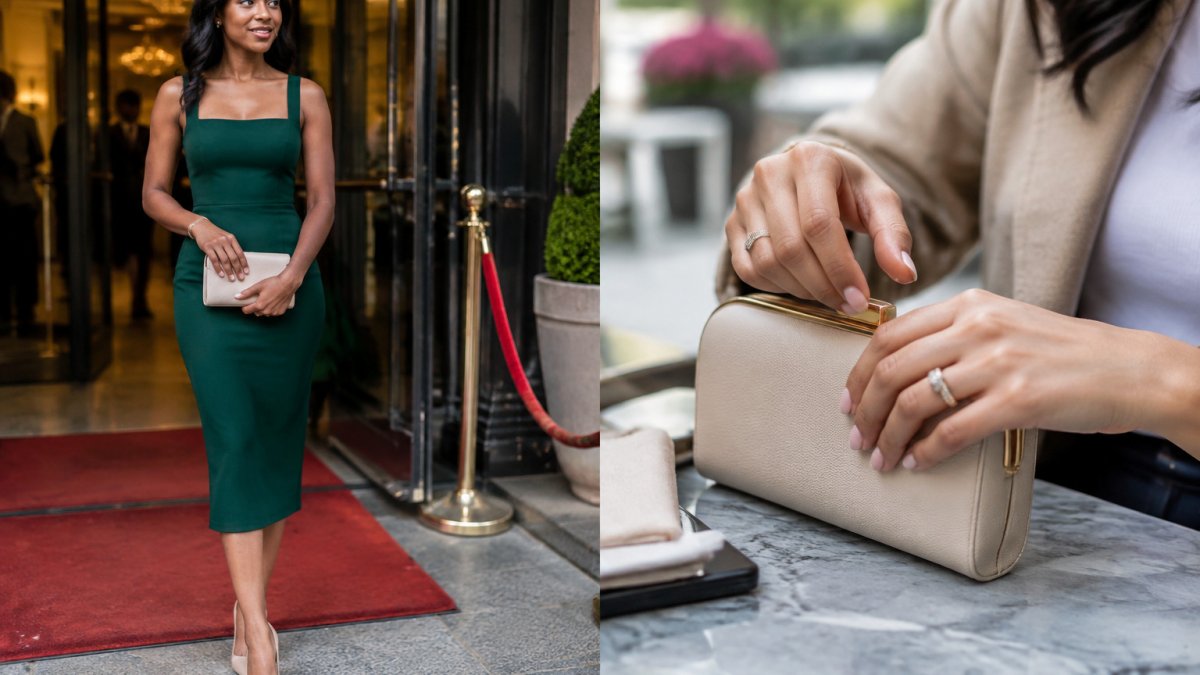
Here is how the most common occasions typically break down:
- Weddings: Choose a midi or floor-length dress, a tailored jumpsuit, or a dressy separates set in a color that does not compete with the couple. Avoid white and ivory. Daytime ceremonies often suit lighter fabrics such as crepe or cotton blends, while evening receptions can take richer textures like satin or velvet.
- Corporate dinners: Structured blazer dresses, tailored trousers with a fitted top, or a sheath dress with a lightweight jacket keep the look professional. Stick to restrained colors and a single focal point, such as a watch or a simple pendant.
- Milestone celebrations: A sequined, metallic, or print piece adds celebration without tipping into costume. Consider letting the fabric carry the festivity while keeping the cut clean.
- Galas and black-tie-adjacent events: Floor-length gowns, sleek column dresses, or a dressy jumpsuit in a deep jewel tone or black work well. Keep jewelry deliberate and let the silhouette do most of the work.
Plan Around the Venue and the Weather
An outfit that works in a climate-controlled ballroom can fail outdoors. For garden or rooftop events, prioritize shoes that handle grass, gravel, or uneven stone, such as block heels or wedge sandals with a closed toe. Lined fabrics or a light wrap help in air-conditioned rooms, and a breathable fabric like crepe or linen-blend suits warmer afternoons. If you are commuting in heels, pack a pair of flats or a pair of block heels in your bag and change before you arrive.
Dressing Inclusively Across Gender Expression and Body Types
Formal dress advice often assumes a single gendered template, but the underlying principles apply to everyone. A tailored suit, a dressy jumpsuit, a column dress, or a well-cut separates set can each read as formal. Focus on fit at the shoulders, waist, and hem rather than on whether a piece is labeled for a particular gender.
Watch out: Fabrics that look stunning on a hanger can be hard to sit in or move through. Test any outfit by sitting, climbing stairs, and raising your arms before the event.
Formal Outfit Accessories That Finish the Look
Accessories are where you add personality to a formal outfit, and they are also where many people overdo it. The goal is a deliberate finish: one or two pieces that connect to the outfit's color or texture, with the rest of the look kept quiet.
Match Shoes to the Formality and the Ground
Closed-toe heels suit most formal events and read as polished across the widest range of dress codes. For specific pairings, see how to accessorize a formal jumpsuit. For cocktail-level events, strappy heels or a pointed pump in a neutral or metallic tone work well. Evening events on uneven outdoor surfaces call for a sturdier shape, such as a block heel or a platform, because the stability matters more than height. Dress flats are a reasonable choice for daytime formal events or if you expect a long night on your feet, provided they are polished and well fitted.
Choose a Bag That Holds What You Need
A structured clutch looks elegant but holds very little. If you need a phone, keys, a card, and a lipstick, a small crossbody with a removable strap is often more practical and still formal. Match the bag's hardware to your jewelry, either gold or silver, to keep the look cohesive.
Use the One-Statement Rule
If your dress has a busy print or a dramatic neckline, keep the jewelry small, such as stud earrings or a fine chain. If the outfit is simple, such as a solid sheath or a tailored suit, a single bold earring or a sculptural cuff can carry the look. Competing statement pieces tend to cancel each other out.
Add Practical Outerwear
A wrap, a cropped tailored jacket, or a lightweight blazer protects you in air-conditioned venues and cool evenings. Choose a layer that matches the outfit's color family rather than contrasting sharply, so it looks planned rather than added on.
A Simple Accessory Checklist
- Shoes: closed-toe heels, block heels, or polished flats matched to the venue
- Bag: a clutch for minimal events, a small crossbody for longer nights
- Jewelry: one statement piece, or a pair of simple studs with a bold dress
- Outerwear: a wrap or tailored jacket for climate control and evening air
A sheath dress in navy with nude heels and small gold earrings is a reliable example of this balance. The outfit does not compete with itself, and each accessory has a clear job.
The article breaks down which shoes, bags and jewelry suit different formal settings, so here is a quick reference.
| Accessory | Best for | Key point |
|---|---|---|
| Closed-toe heels | Most formal events | Polished across the widest range of dress codes |
| Block heels or platforms | Uneven outdoor surfaces | Stability matters more than height |
| Dress flats | Daytime events or long nights | Must be polished and well fitted |
| Structured clutch | Minimal events | Holds very little |
| Small crossbody | Longer nights | Holds phone, keys, card and lipstick |
| Statement earring or cuff | Simple outfits | Carries the look on its own |
| Wrap or tailored jacket | Air-conditioned venues, cool evenings | Match the outfit's color family |
Formal Event Outfit Mistakes That Undermine Confidence
Most outfit regrets come from a few predictable errors. Avoiding them saves you from spending the night tugging at your hemline.
- Wearing something untested: Try the full outfit on, sit down, raise your arms, and walk around before the event.
- Ignoring the hemline and neckline: A dress that rides up when you sit or gaps when you lean forward will pull your focus.
- Choosing shoes you cannot walk in: Plan for the venue. Grass, cobblestones, and long hallways punish tall, thin heels.
- Overloading on accessories: Too many competing details can make the look feel busy.
- Dressing for the wrong time: A daytime dress that looks lovely at noon can seem out of place at a dinner.
Confidence Beyond the Closet: Comfort, Practice and Last-Minute Fixes
Clothing is only part of feeling confident. Comfort affects how you carry yourself, and a rehearsed plan helps you stop worrying about small problems.
Before the event, do a quick fit check. Wear the outfit for 20 minutes at home and move the way you would at the party.
Keep a small kit for last-minute problems:
- Fashion tape or clear double-sided tape for slipping straps or hems
- A lint roller and a travel-size stain remover
- Safety pins for quick adjustments
- Spare earrings or a backup hair tie
- A small pair of flats if you plan to dance or walk far
Budget matters too. A well-tailored piece you wear again is often a better buy than a single-use outfit. Pair a versatile black dress with different shoes and accessories to create a fresh look for each event.
Your Next Step: Plan Your Look Before the Invitation Arrives
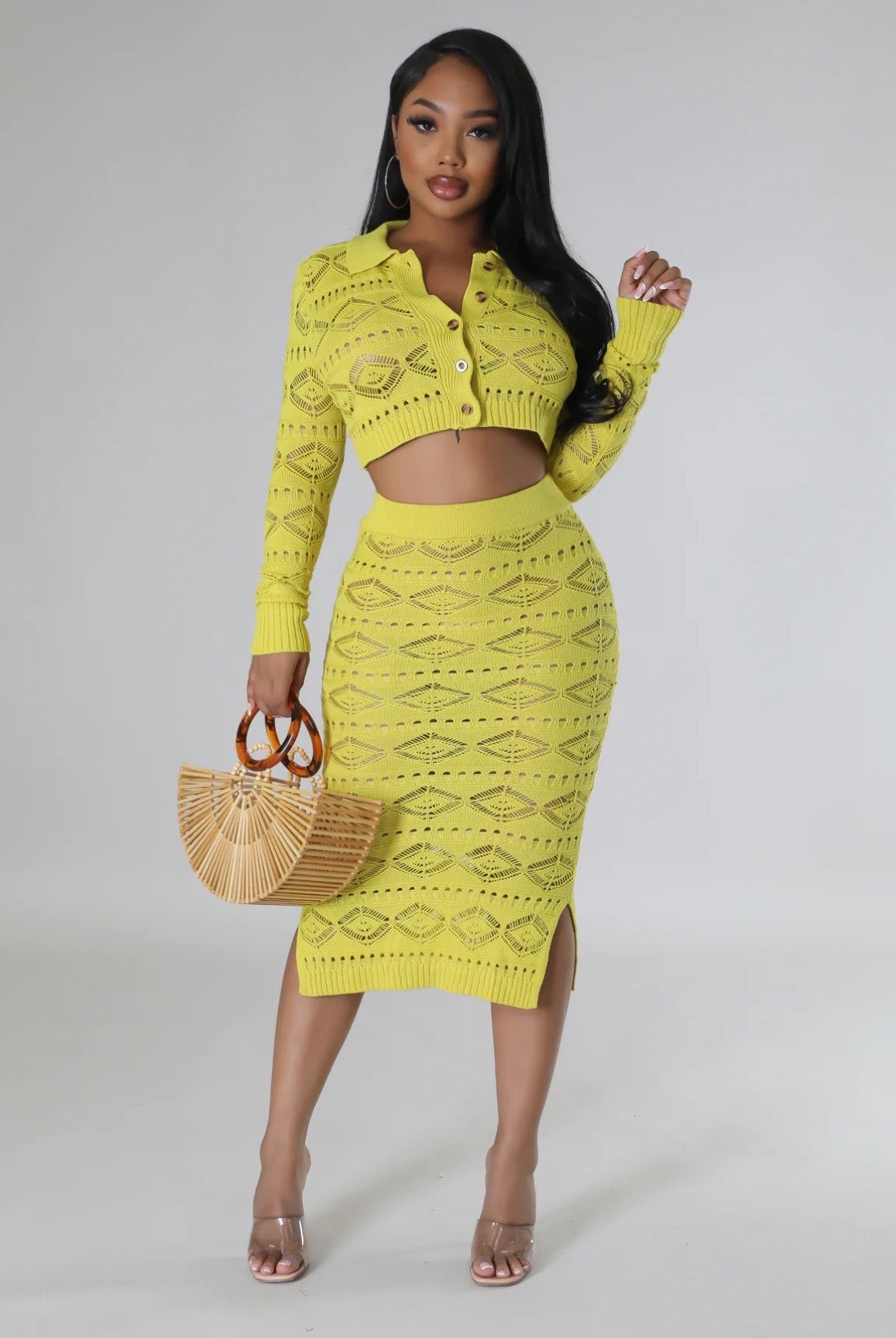
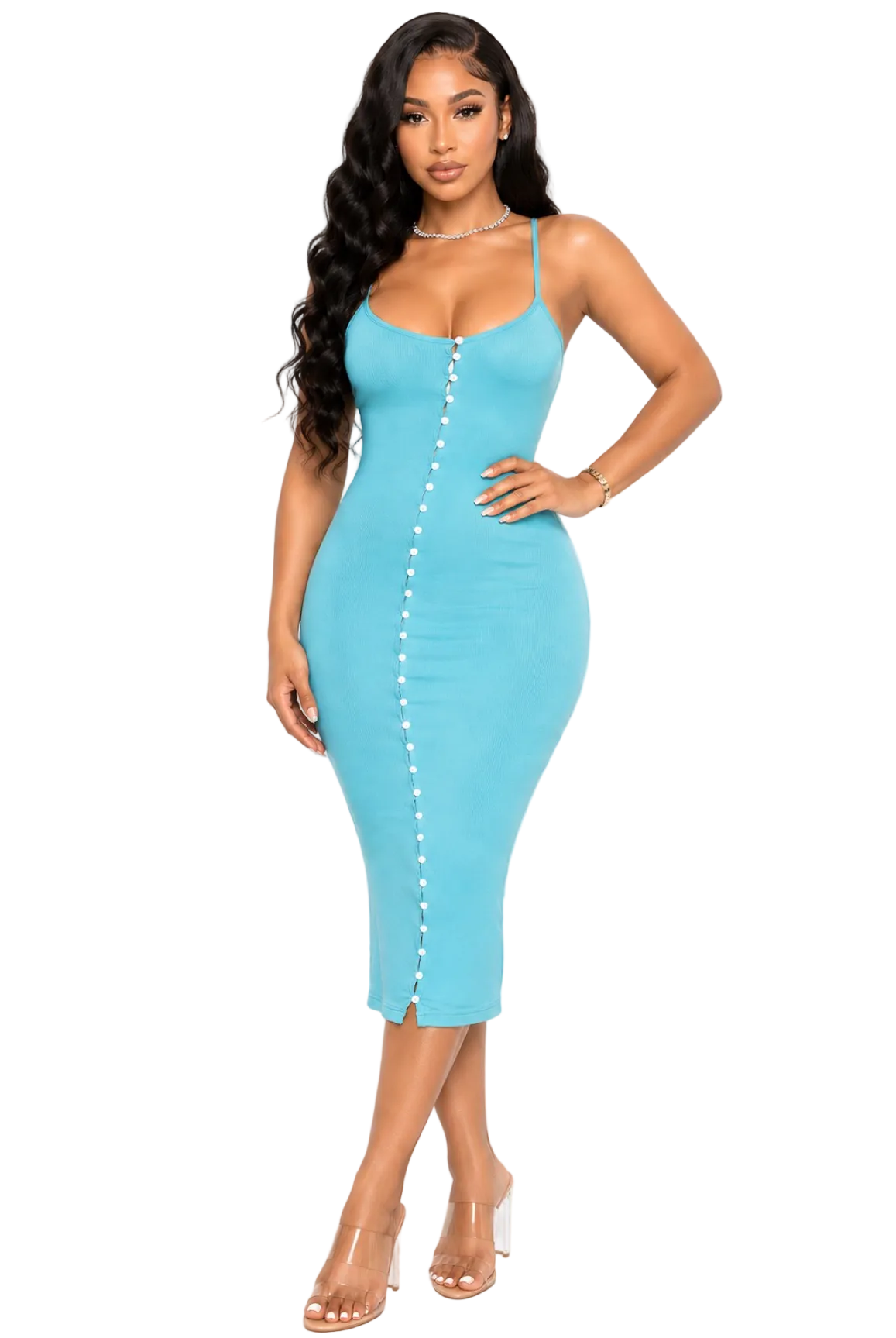
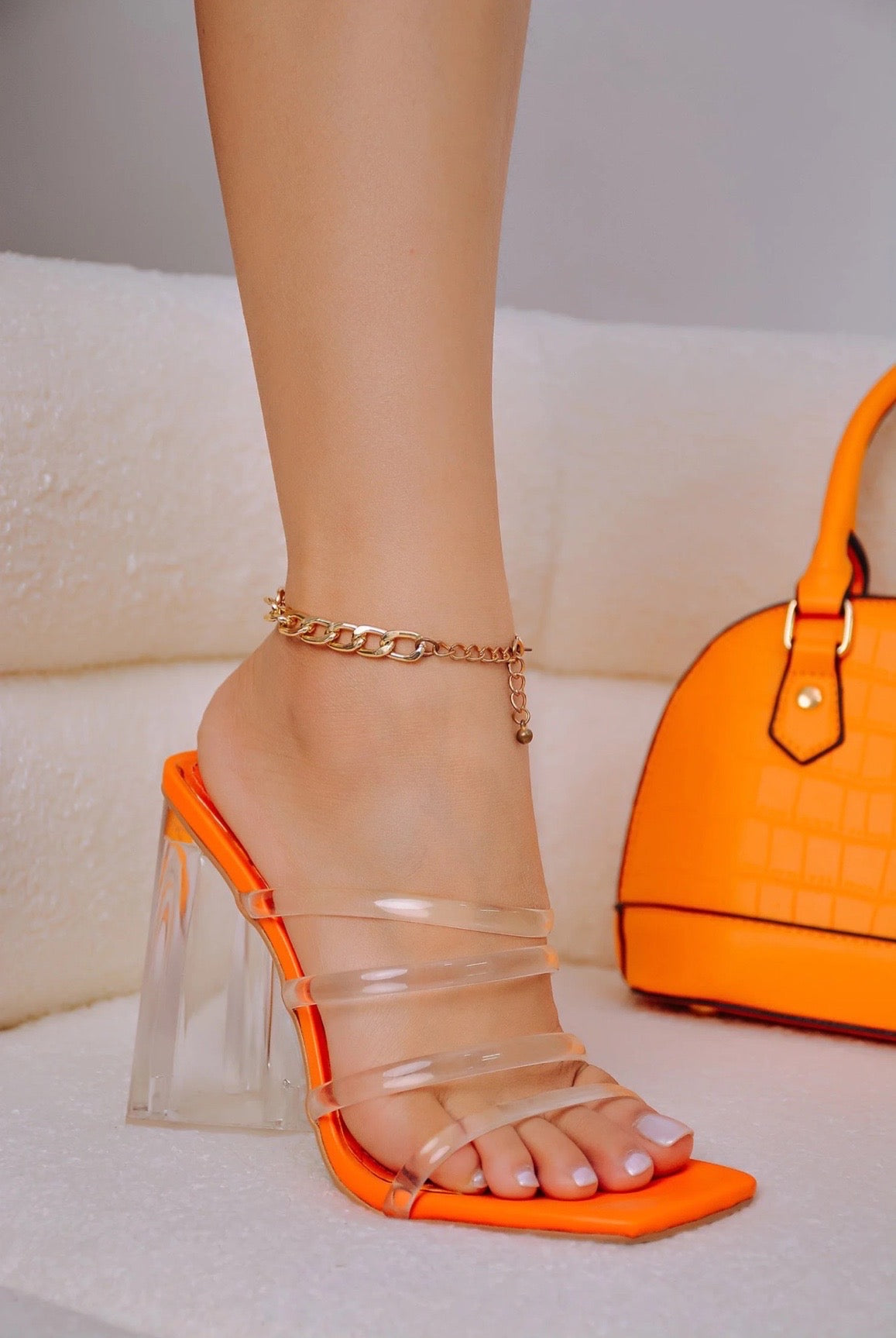
Start building your formal wardrobe now, while you have time to shop without rushing. Look through your closet for pieces that fit well, then fill the gaps with one or two versatile options. Shop the Swagg Bootique LLC collection for dresses, sets, and jumpsuits that suit nights out and special occasions, and check out the Fab Knit Midi Skirt Set ($34.99), the You Had Your Chance Pearl Button Down Midi Dress ($20.00), and the Happier clear block heels ($10.00) for easy formal-ready pairings.
Frequently Asked Questions
What is the 3-3-3 rule for dressing better?
The 3-3-3 rule is a quick self-check: pick three outfit pieces, three accessories and three colors before you leave the house. It keeps the look intentional rather than cluttered. For a formal gathering, that might mean a fitted dress, one pair of closed-toe heels, and a small clutch with simple jewelry in two coordinated tones. Use it as a checklist, not a strict law, and adjust the count when the dress code calls for more or less.
What should I avoid wearing to a formal event?
Avoid anything that feels too casual for the invitation, such as denim, athletic shoes or overly sheer fabric. Tight clothing that restricts movement and very low-cut tops can also pull attention away from the occasion. If you are unsure whether something is appropriate, the safer choice is usually the more structured, better-fitting option. Clean lines and a polished finish make most formal settings feel comfortable.
How do I choose an outfit when the dress code is unclear?
Start by matching the time of day, venue and host's style to a formality level, from cocktail attire to black tie. When the invitation says only 'dressy' or 'cocktail,' a knee-length or midi dress in a refined color is a dependable choice. You can also ask the host or check the event's social channels for photos from past years. When in doubt, dress one step up rather than one step down.
How can I feel more confident in formal clothes?
Confidence usually comes from comfort and fit. Try your outfit on ahead of time, walk and sit in it, and check that you can move without adjusting. Choosing pieces that suit your body and personal style matters more than following a trend. Preparing your look a few days early removes last-minute stress, which tends to show in posture and presence on the night itself.

